Inspection before selecting equipment
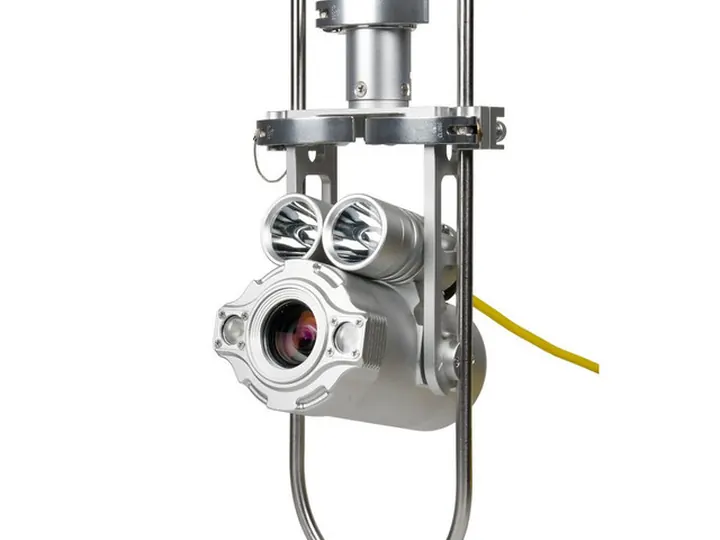
The visit starts with accessible pipe information and the pattern of drainage. A camera inspection can show deposits, visible openings, connections and areas where water remains. If standing wastewater or a blockage prevents a useful view, the initial task can be to reopen enough of the route to inspect it.
What distinguishes an attached deposit from a structural defect?
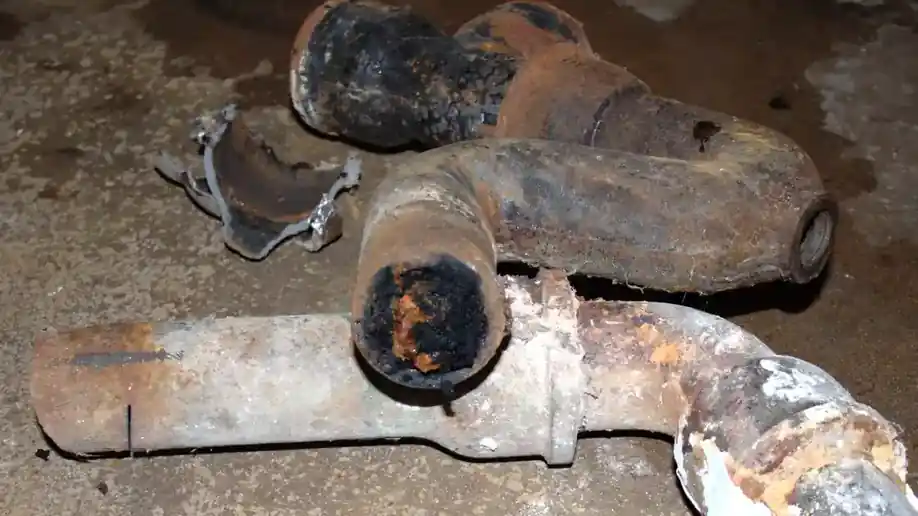
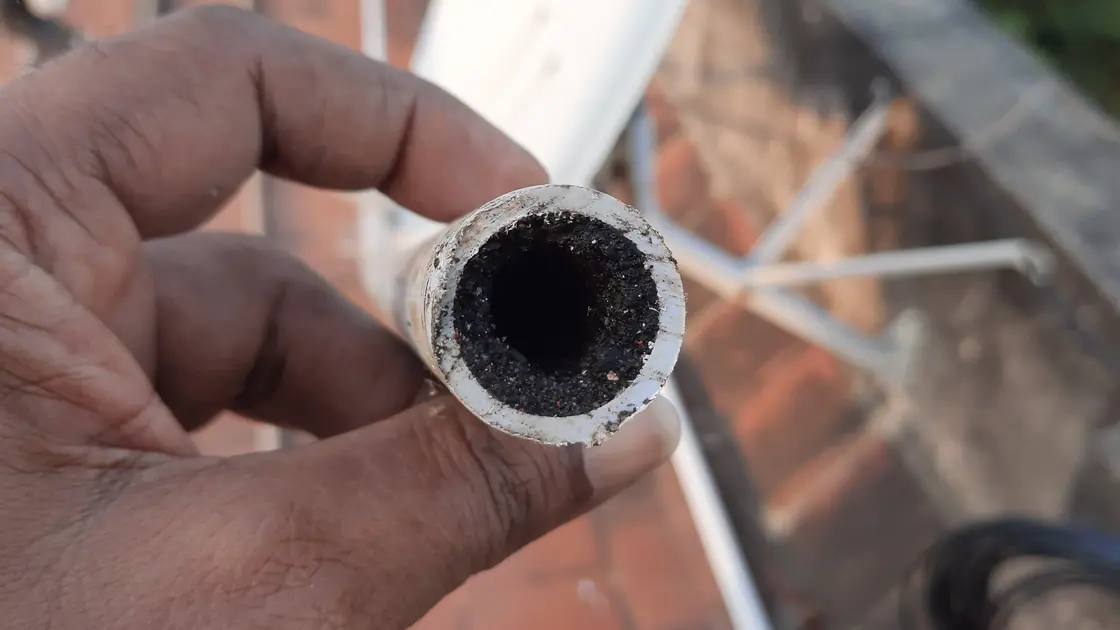
An inspection may reveal a narrowed passage, rough internal buildup or a damaged wall, but a visible restriction alone does not identify its composition. Ask which finding supports the proposed cleaning method and whether a defect limits the work. The cast-iron descaling guide explains why pipe condition matters before combining methods.
The technician explains what the view establishes and what remains out of sight. A camera is a visual inspection; it does not directly measure every hidden wall thickness or reveal the outside of a buried pipe. A clear explanation distinguishes a visible finding from a conclusion requiring additional investigation.
Known previous repairs matter too. A line can contain cast iron, plastic replacement sections and couplings within the same route. The cleaning plan follows those actual transitions. It should not assume that every part of the system matches the material visible under one sink.