Read the findings without turning every image into a repair order
Ask the technician to identify the concern in plain language. Is the camera showing material that can be cleaned, a joint that has moved, an opening with roots, or a section that cannot be viewed? Those are different observations with different next steps. A useful explanation relates the finding to the backup history.
What makes a camera finding useful when comparing repair estimates?
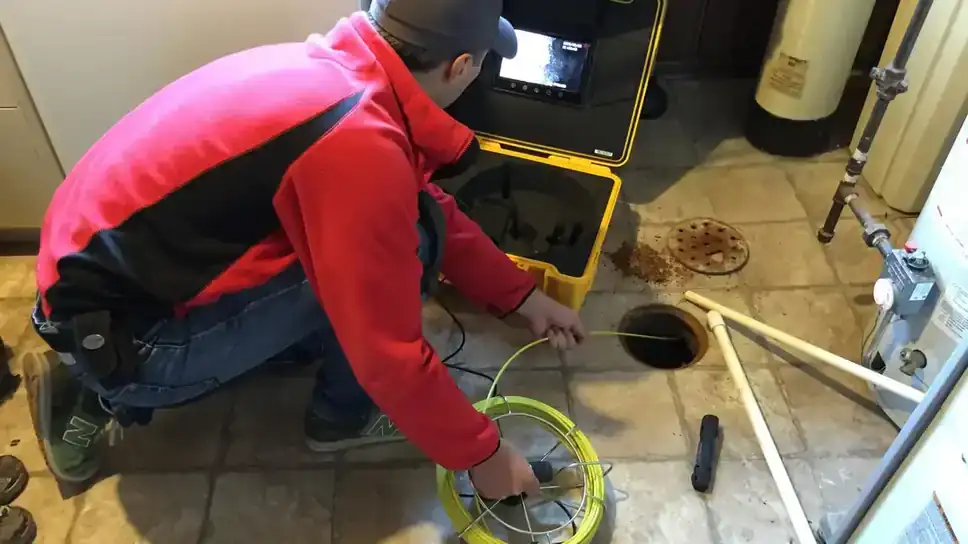
Ask for the inspected access point, direction of travel, location of the observed defect and any section that the camera could not reach. A recording from an unidentified location is less useful for comparing repair scope. The camera-report guide lists information to request; an image alone does not establish ownership of the affected pipe.
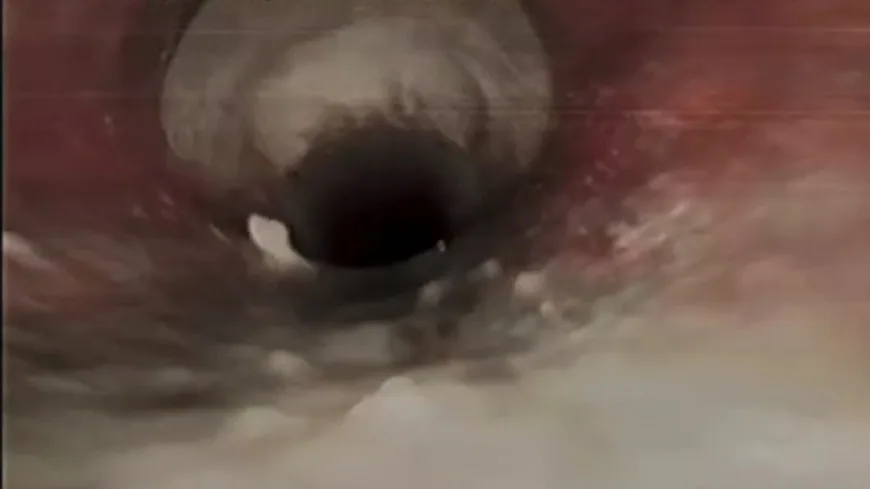
An image showing water is not the same as a complete assessment of slope. A camera stopped by debris has not shown the condition beyond the blockage. A visible crack can be important, but the proposed repair still needs a location and scope. These distinctions protect the usefulness of the footage without dismissing a genuine defect.
If major work is proposed, ask which finding makes that scope necessary and whether the inspected area supports it. A clear record lets another qualified contractor understand the same question. It also keeps a cleaning recommendation from being presented as pipe repair or an incomplete inspection from becoming a claim about the entire sewer.
Use the sewer camera report checklist to distinguish documented observations from assumptions about the inaccessible part of a line.