Make the service record useful for the next decision
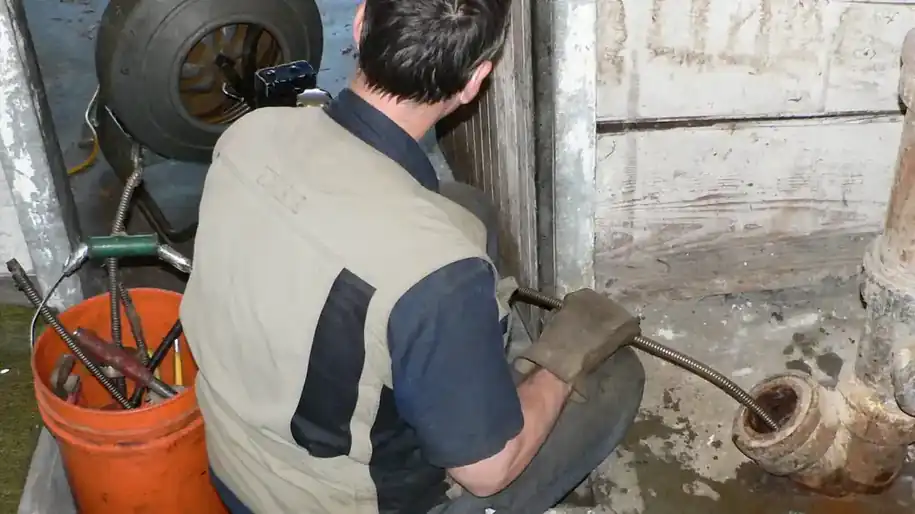
What should the service record establish? Keep the access point, method used and material removed with the date of service. If a camera was used, record which part of the line was visible and whether any section could not be passed. These details can make a later repair proposal much easier to assess.
How can a previous clearing help narrow the next assessment?
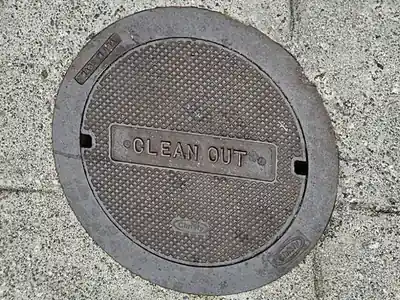
Record the cleanout used, whether the obstruction was reached, which fixtures drained afterward and how soon symptoms returned. If the blockage reappears at the same location, distinguish retained deposits, root entry and physical pipe damage before paying for another identical clearing. Review the returning-clog decision guide for a comparison of those possibilities.
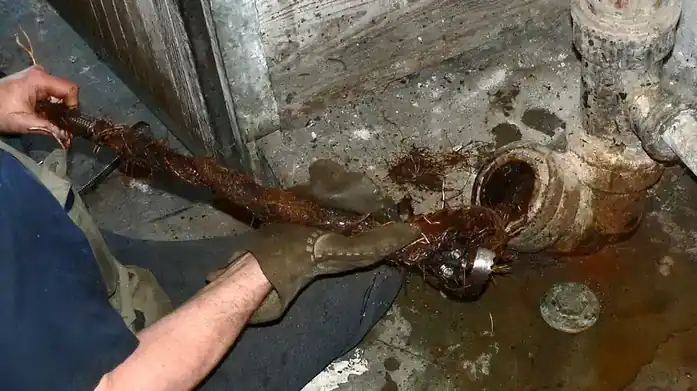
For example, repeated root recovery at the same area raises a more specific question than a general history of “sewer trouble.” A camera view of that area can help evaluate the entry point. A line that contains broad grease deposits needs a different cleaning discussion. Neither history should automatically become a whole-line replacement recommendation.
The pattern after service is useful too. A drain that backs up immediately during the same fixture test has not answered the original flow problem. A symptom returning months later needs the old finding compared with the new one. That comparison helps avoid treating every visit as a fresh, unexplained clog and gives maintenance or repair advice a clearer basis.